I shoot landscapes, portraits, and events, along with aerial footage and occasional video productions. The equipment changes with the kind of work I am doing. My personal kit includes Fujifilm and Canon cameras, and I also use cameras and support gear from work.
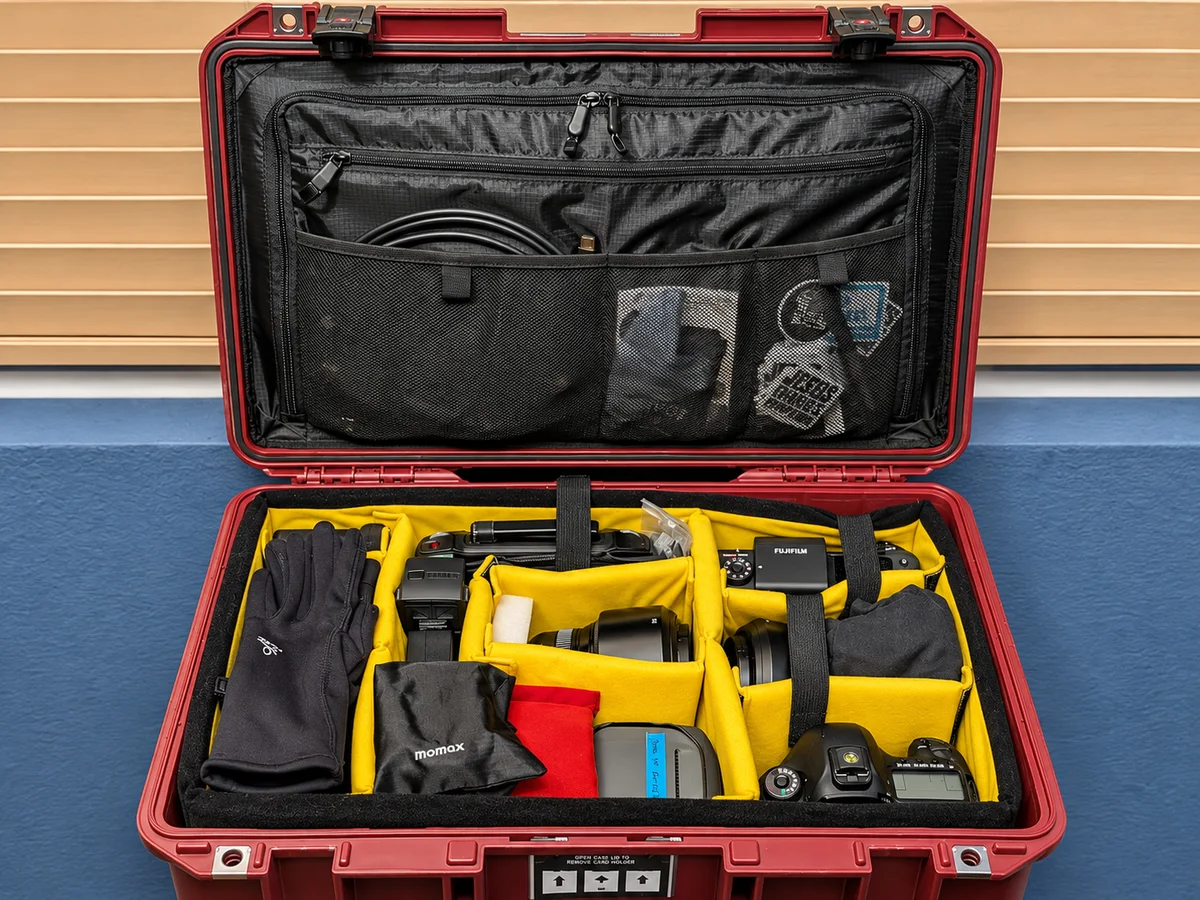
For events I usually shoot solo. I keep the telephoto on my Fujifilm GFX 100 II and a wide lens on my Canon 5D Mark III, or the R5 from work. That lets me go from a tight expression to the whole room in seconds. Here’s how I pack the two-camera kit.
Landscape photography: GFX 100 II + GF 20–35mm
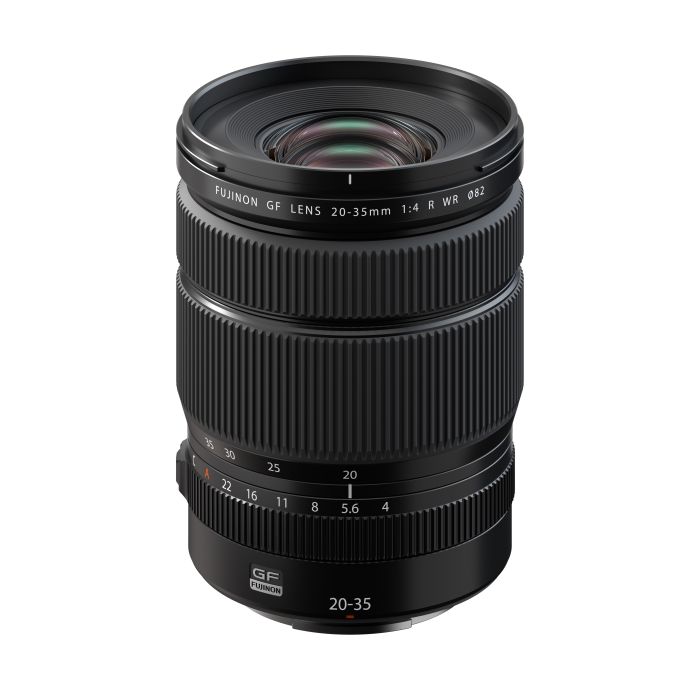
For landscape photography, the Fujifilm GFX 100 II is a dream camera. Its 102-megapixel medium-format sensor gives you extraordinary detail to work with: the texture in a mountainside, the layers in a distant view, and the little things you want to keep seeing when you print big. That resolution also gives you room to crop while retaining plenty of detail. I pair mine with the GF 20–35mm f/4 R WR, an ultra-wide zoom that gives an expansive landscape room to breathe. If landscapes are what make you want to pick up a camera, this is a setup worth dreaming about.
Portraits: GF 55mm f/1.7 R WR
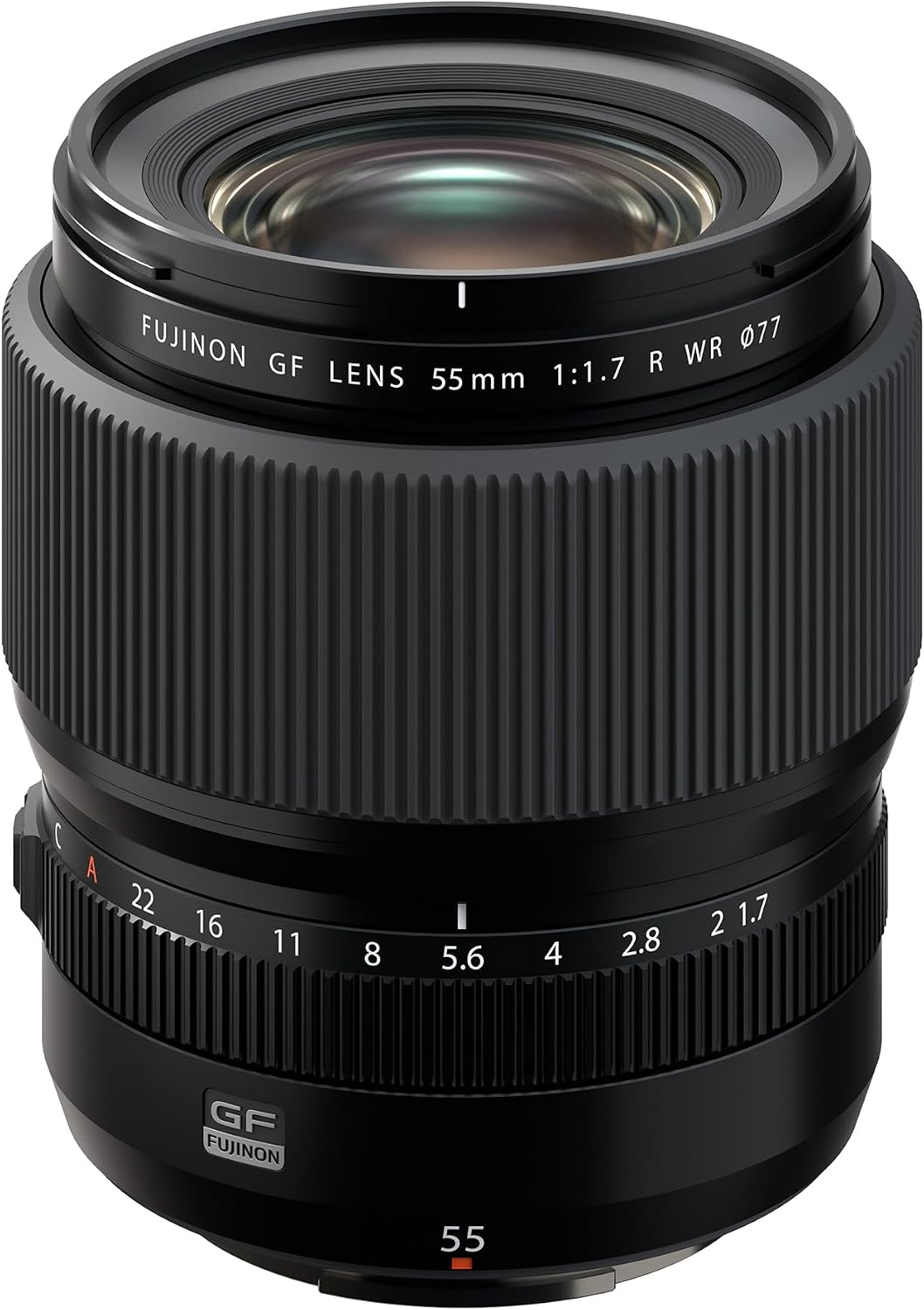
The GF 55mm f/1.7 R WR is the lens I use for portraits. The appeal is a sharp subject against a beautifully soft background: that wide f/1.7 aperture lets you create separation and draw attention straight to the person in the frame. Its roughly 44mm-equivalent field of view also leaves room to include the setting, making it especially appealing for portraits that tell you something about the person and their surroundings. Paired with the GFX, it brings together fine detail and soft background blur in a way that makes this a very tempting portrait combination.
Event photography: two cameras, wide and telephoto
I usually shoot events solo, without a second shooter covering another angle. My dual-camera setup is how I keep both a wide view and a tight shot ready: the telephoto stays on the GFX, and the wide lens stays on the Canon. A close expression and a room-wide reaction can happen seconds apart, and I want to switch cameras immediately instead of stopping to change lenses. The point is to avoid missing a shot while I am busy rebuilding my setup. When I am responsible for the coverage on my own, having both cameras within reach makes a real difference.
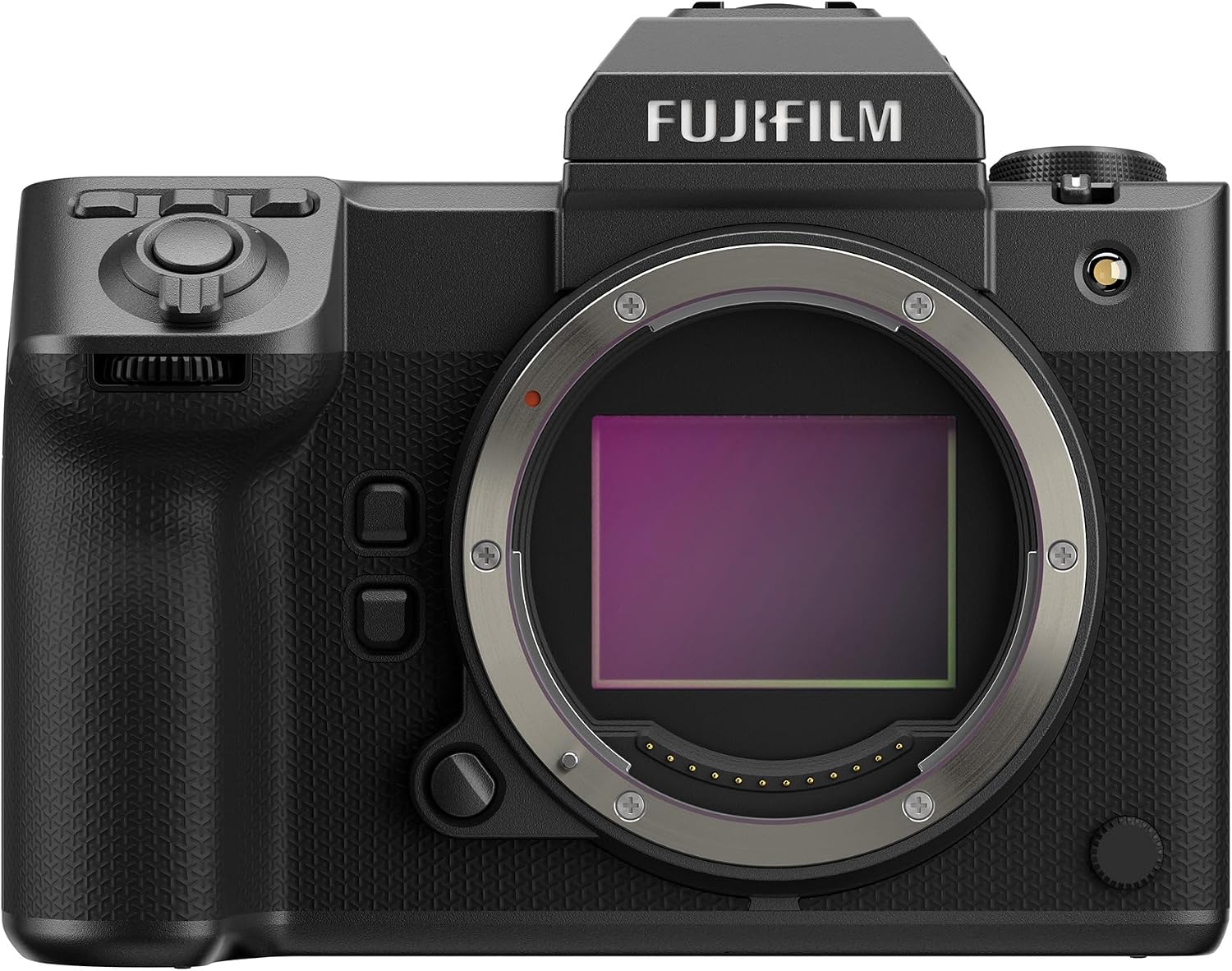
The Fujifilm side is my GFX 100 II with the GF 100–200mm f/5.6 R LM OIS WR. That is the telephoto half of the setup.
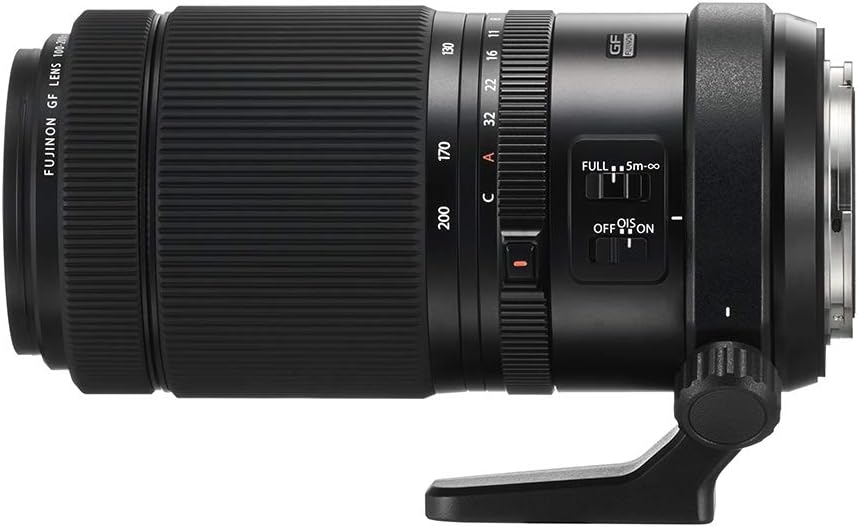
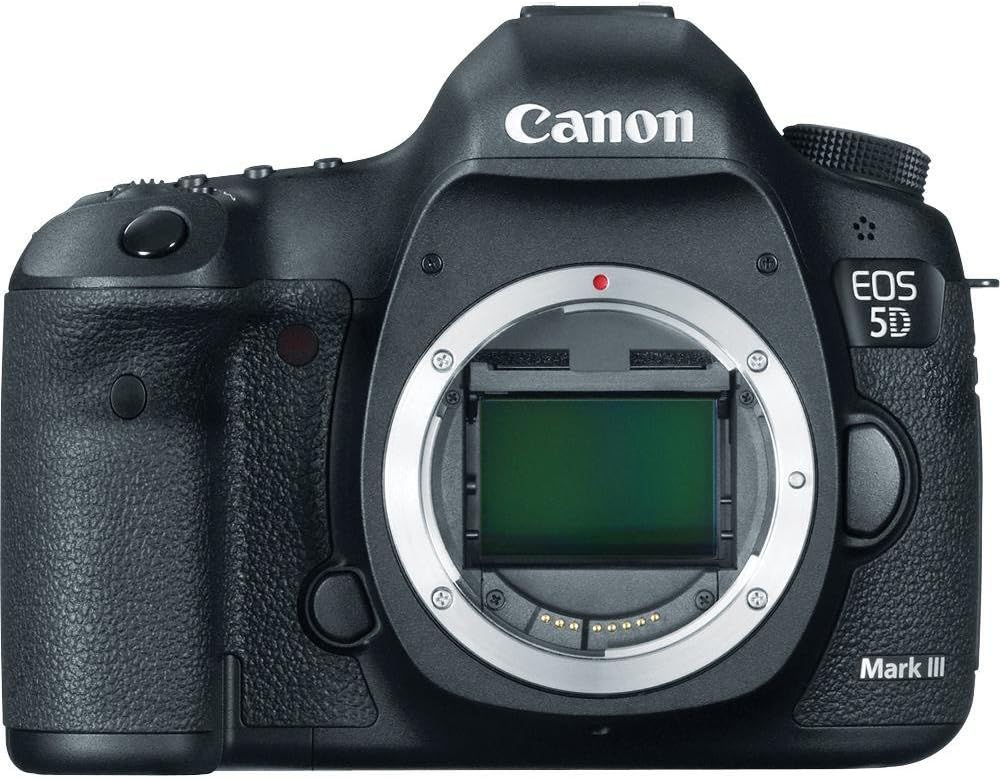
For the wide view, I use my Canon EOS 5D Mark III, or sometimes the Canon EOS R5 we have at work. The R5 is work equipment; the Mark III is part of my own kit.
My BlackRapid dual-camera harness has been with me for more than a decade and keeps both bodies accessible. This is the situation where that carrying setup makes sense for me: I am actively moving between the wide and telephoto cameras.
Drone photography and aerial video
On one three-hour event where I handled drone coverage, my 1 TB SanDisk card lasted through the pre-event, event, and post-event footage. Power was the thing I had to keep an eye on. Read how I used the card and what to check for compatibility.
DJI Mavic 3 + RC Pro
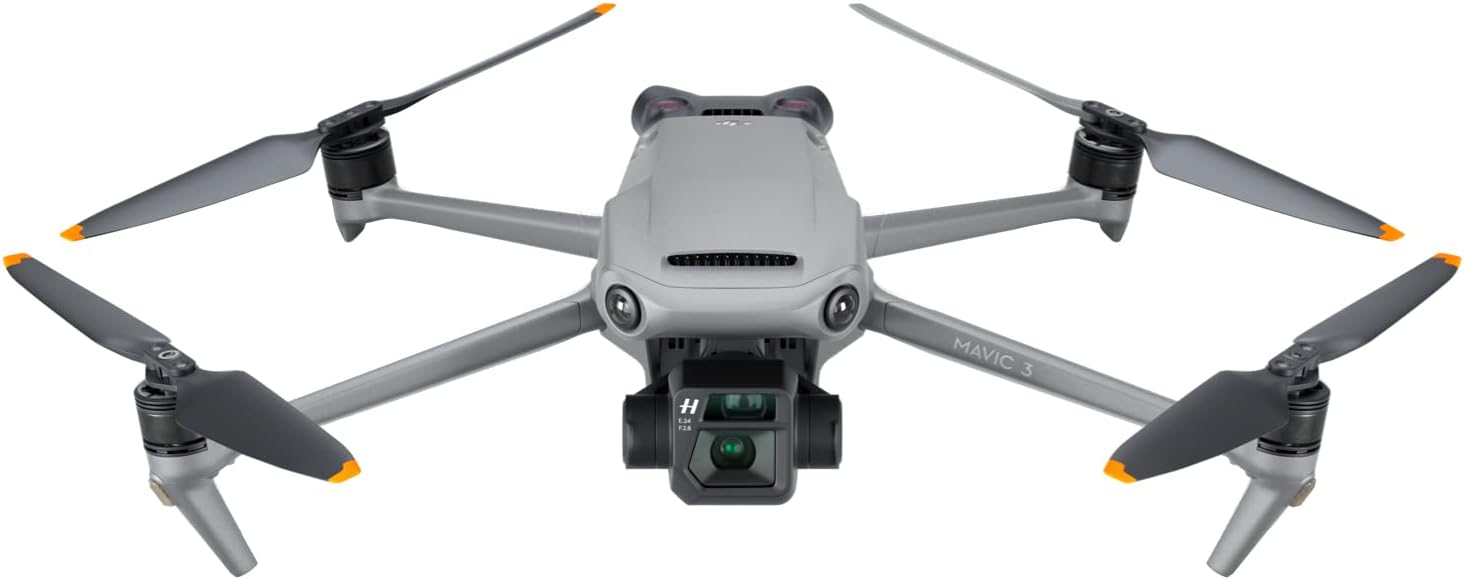
The Mavic 3 is my larger drone setup for aerial work, paired with the RC Pro controller. Sometimes the assignment needs a few aerial shots; sometimes my entire role for the day is flying. Those are very different packing and power-planning situations.
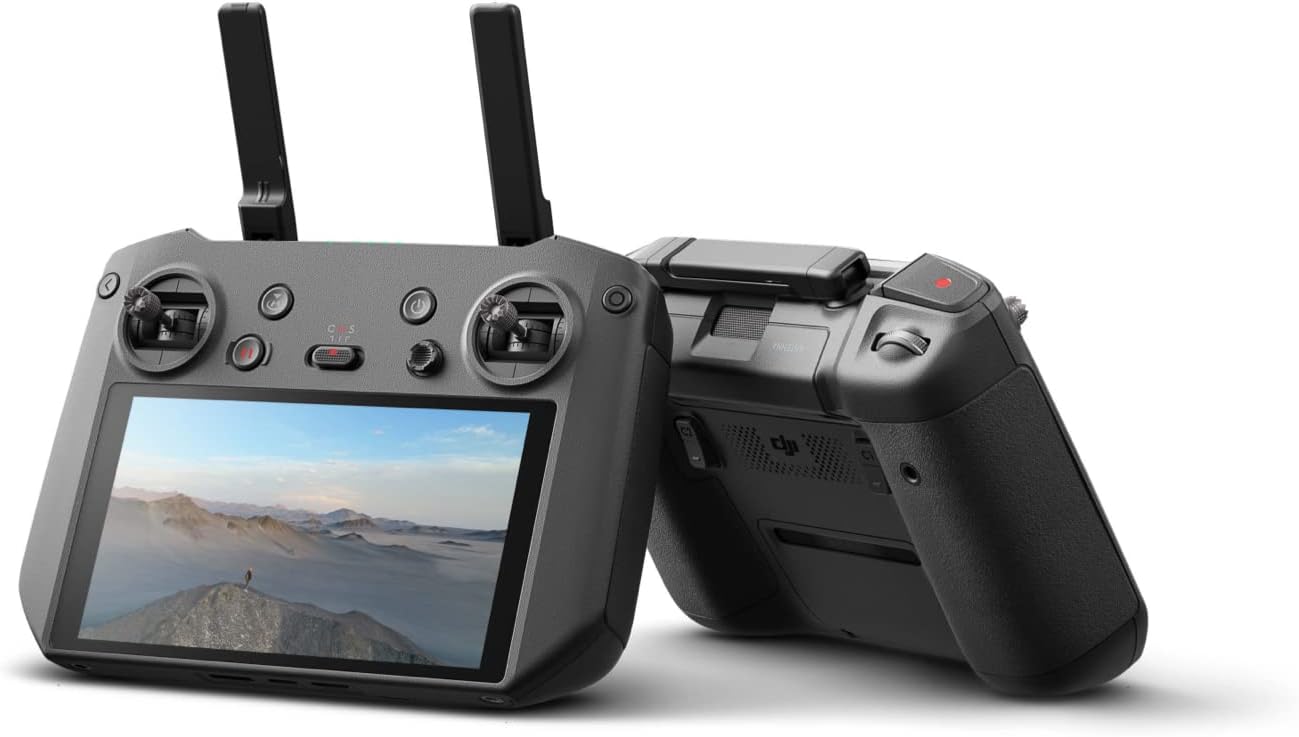
The RC Pro is my main controller, and I keep a DJI RC as a backup for dedicated drone days. I also use the LKTOP 200W three-way charger when keeping the batteries moving is a major part of the job.
I use a SanDisk Extreme 1TB microSD card in my Mavic 3. At a three-hour event, with pre-event and post-event flying rather than continuous flight, the card lasted through the whole assignment. That let me concentrate on the headache of power instead of power and storage at the same time.
The dedicated setup goes into my black Domke F-5XB, attached to a belt for field use. The controller strap, backup controller, charger, and belt arrangement are laid out in the drone section of my packing article.
Video production: Canon C50 and R5 C from work
I also do video production on occasion. For that work, I typically use our Canon EOS C50 and Canon EOS R5 C. These are cameras I use from work, separate from my personal still-photography kit.
We mount them on Manfrotto tripods with fluid heads. We also have small, travel-friendly Peak Design tripods with various heads.
Low-profile video: DJI Osmo Pocket 3
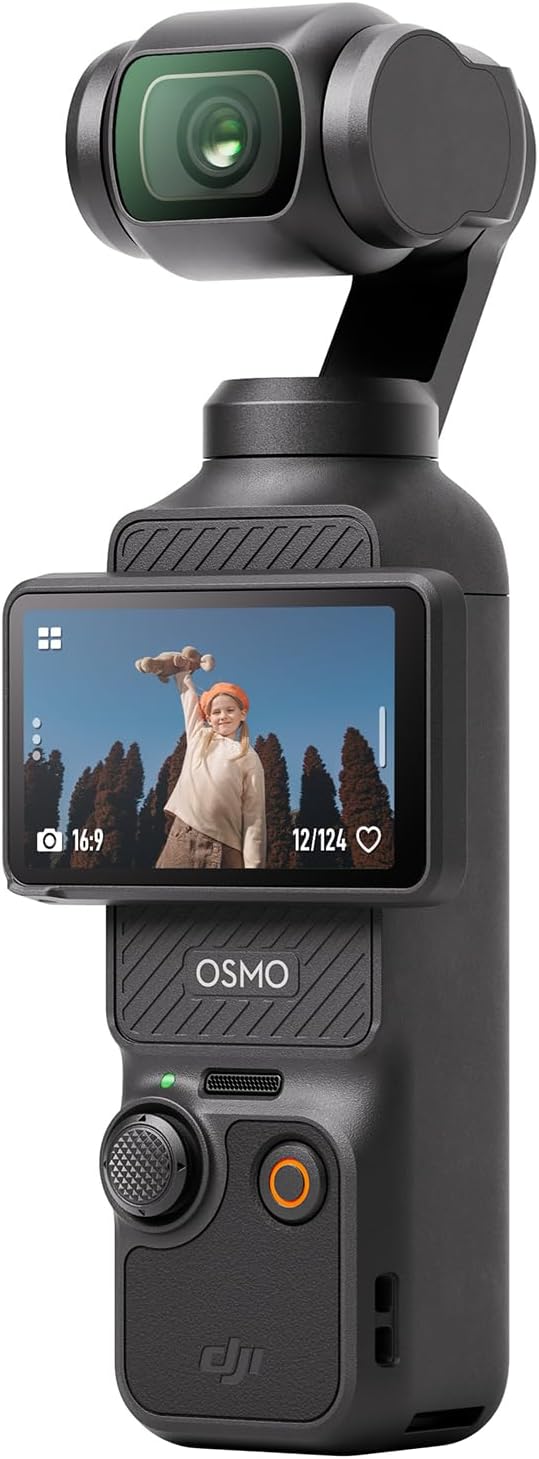
The DJI Osmo Pocket 3 has a different place in the mix. I like how small and friendly it feels for interviews and low-profile shooting. In my experience, people are comfortable around it, particularly a younger crowd.
I go into that setup, including the DJI Mic 3 standalone transmitter that connects directly to the Pocket 3, in my low-profile gear article.
Packing for the kind of work I am doing
The landscape, portrait, event, and video setups have different jobs. The 55mm comes out for portraits; the wide GF zoom is for landscapes; events get the two-camera setup. Dedicated drone work brings its own power and carrying arrangement, and video productions use equipment from work.
For the full bag-by-bag layout, see what I actually pack. That article covers the Pelican, Peak Design backpack, ALPAKA, and dedicated Domke drone setup. The chargers, readers, cables, and little fixes have their own home in small camera accessories that solve annoying problems.
Knowing where everything goes lets me put my attention into the assignment. The goal is to have the setup I need ready, then focus on making the photographs or footage I came for.