Sometimes the best camera setup is the one that does not announce itself. When I am shooting in a city or trying to capture a natural interaction, I do not want every piece of my kit to scream “working photographer.” A smaller, friendlier setup can help people relax—and leave me free to pay attention to what is happening.
Start with how you show up
Dress like a tourist. Casual clothes, no company-branded shirt, and a simple bag can change the way a whole setup feels before you even choose a lens. I am trying to make the camera feel like a normal part of being there, rather than turning every interaction into a production.
A casual strap instead of the full harness
I love a BlackRapid harness when I need fast access to two bodies, but it also makes it immediately obvious that I am there to work. I keep a casual strap available for days when blending in matters more than maximum speed.
Wildtree camera straps
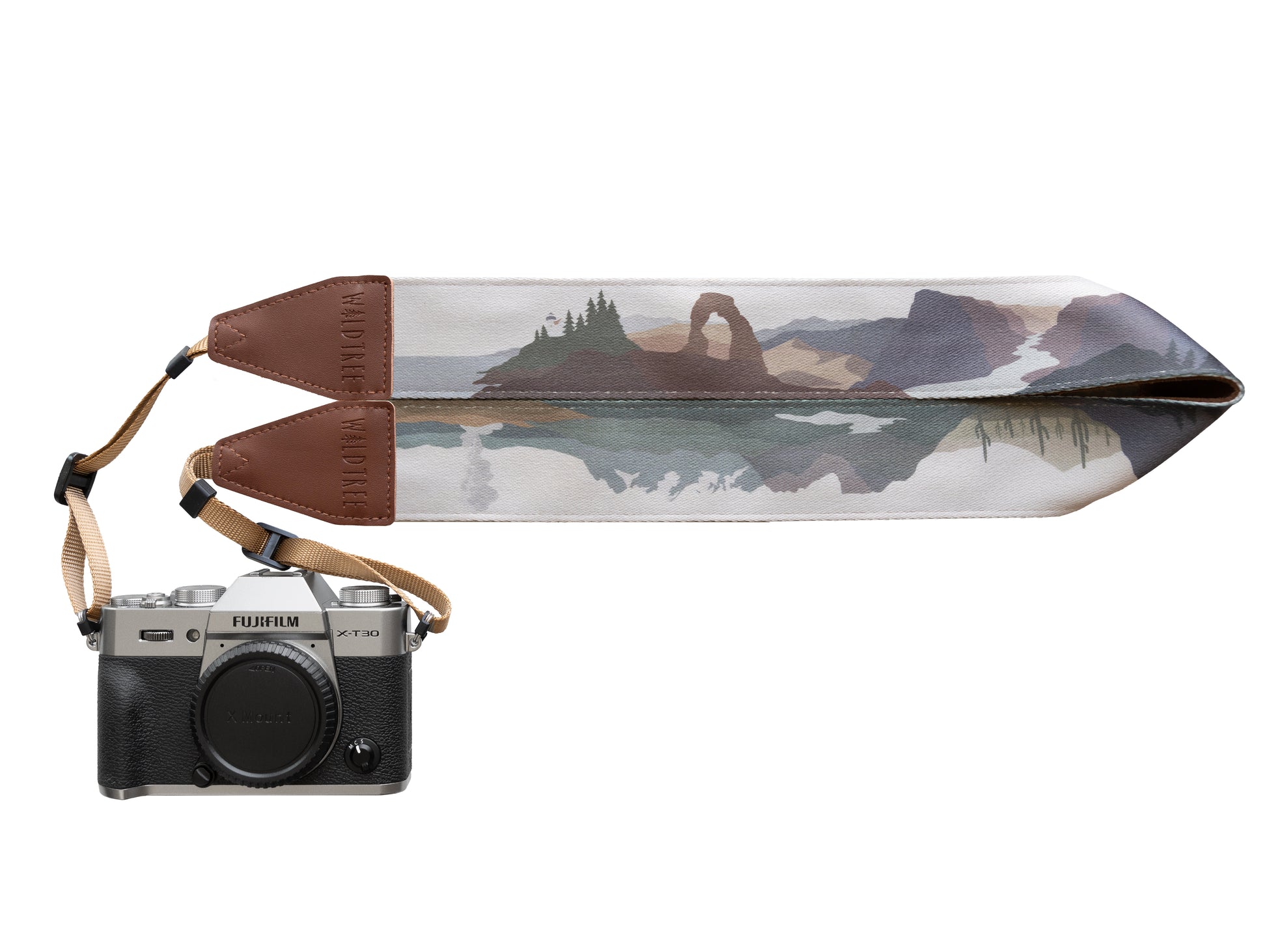
A casual strap like Wildtree’s can help a camera feel more like an everyday carry. Choose a pattern or color that fits your clothes and the setting, rather than something that draws attention to the equipment. A plain strap works just as well; the goal is to keep the whole setup feeling relaxed.
Canon EF 40mm f/2.8 STM: make the DSLR smaller
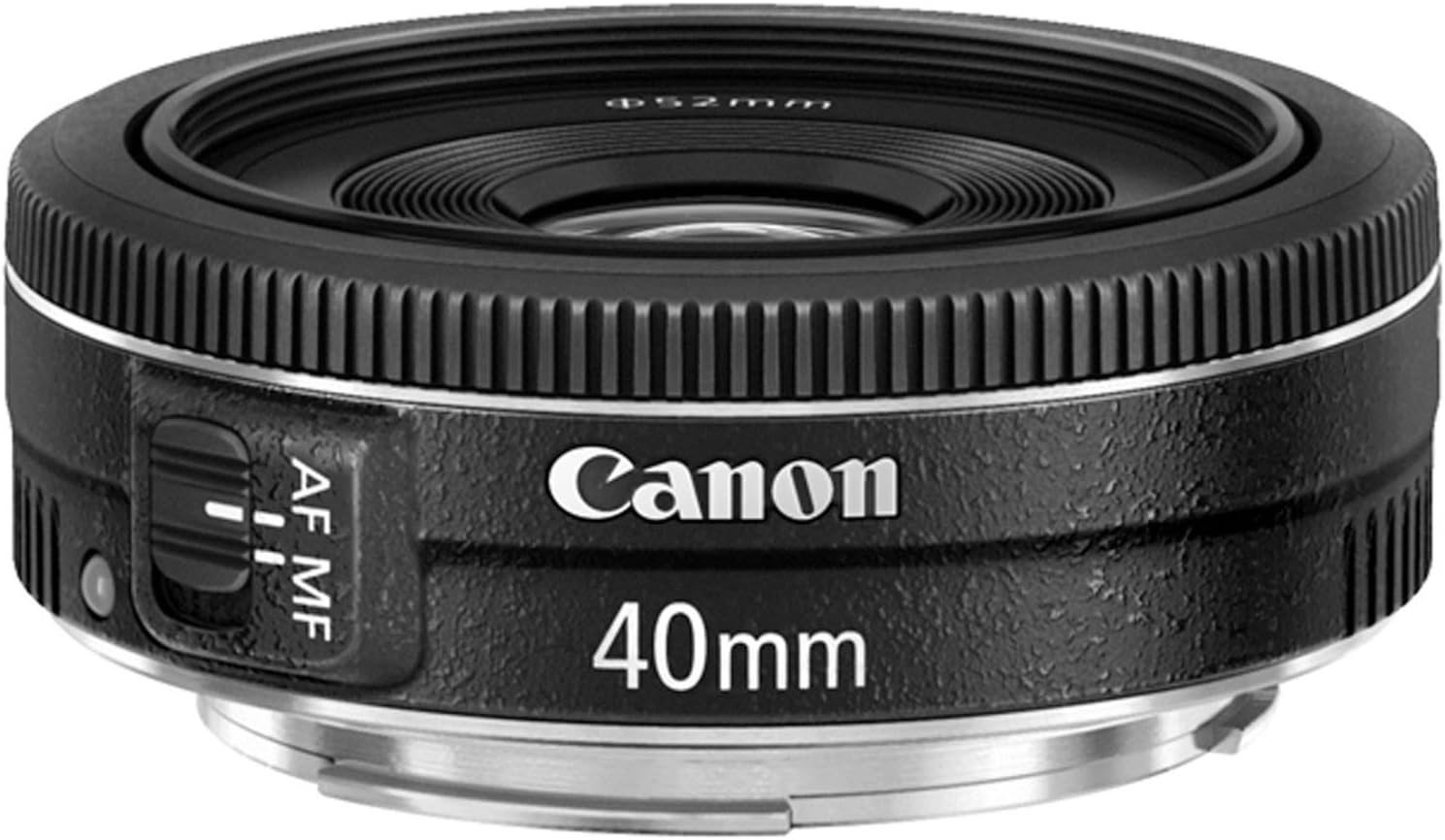
A pancake lens is a very short, flat lens that barely projects from the camera body. The Canon EF 40mm f/2.8 STM is a great example for Canon EF-mount cameras such as my 5D Mark III. Swapping a large zoom for this little lens keeps the setup much smaller and less imposing, even though the body is still a DSLR.
If you already own a compatible Canon DSLR, the EF 40mm is a simple way to reduce bulk without replacing your entire camera.
For a smaller body: Canon EOS R50 + RF 28mm
For a smaller mirrorless setup, I would look at the Canon EOS R50 with the RF 28mm f/2.8 STM pancake lens. A small body and short lens help keep the whole kit compact. On the R50, the 28mm gives a roughly 45mm-equivalent field of view—a useful everyday perspective for people and details. Choose the RF lens for this setup; the EF 40mm above requires an EF–EOS R adapter, which adds bulk.
Fujifilm X100VI: another compact option
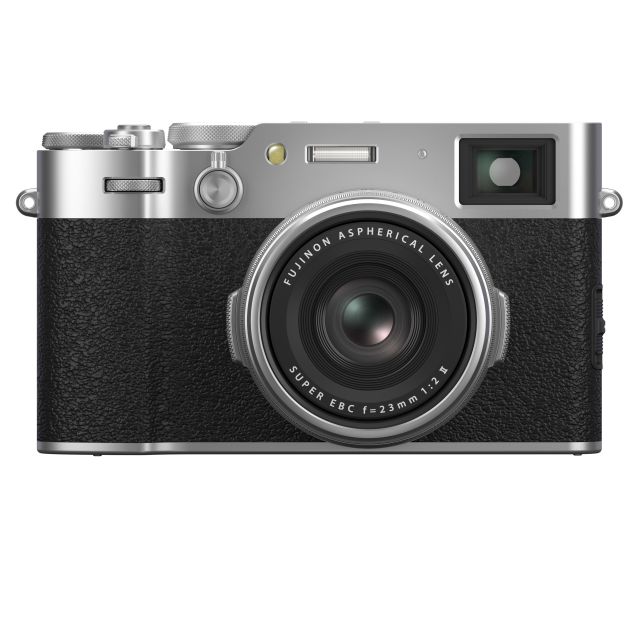
The Fujifilm X100VI is a camera I highly recommend. I bought one for one of my best friends and have used hers on multiple occasions. Its compact, fixed-lens setup fits the kind of shooting I am talking about here: capable enough to take seriously, but small and approachable enough to carry without making every moment feel like a production.
Sometimes I keep the telephoto and change my distance
A small lens is not the only approach. I have also used a telephoto to photograph my subject interacting with strangers or passersby from across the street. The camera itself is bigger, but I am no longer standing right beside the conversation with it.
When my subject is in on the shoot, I have them generally face toward the camera and frame the other person in profile or from behind. That keeps the photograph centered on my subject without making the camera the focus of the interaction. It does not make the other person anonymous, so I still pay attention to the setting and how the images will be used.
I may frame a little wider, include the surrounding scene, and crop more deliberately afterward. Leave enough resolution for the final use rather than assuming a tiny subject can always be rescued in post. Agree on the working area and a simple cue with your subject before you move farther away.
DJI Osmo Pocket 3: the friendly interview camera
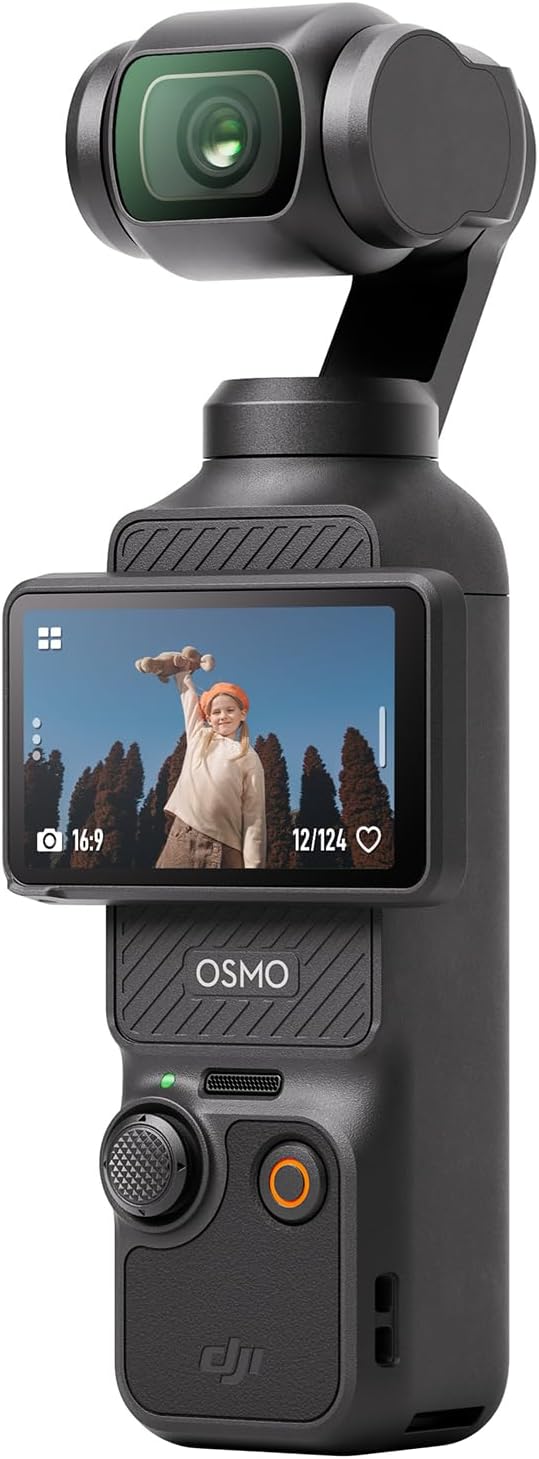
The Pocket 3 is excellent for low-profile video. In my experience it feels familiar, very Gen Z friendly, and socially acceptable in a way that a large camera rig sometimes does not. It looks friendly, and I find that people are much more comfortable with interviews when the camera feels approachable.
That is a reason to keep the setup small: piling on a cage, monitor, and oversized microphone can undo the very thing I like about it. I still ask before an interview; the smaller camera simply makes the conversation easier to start.
Keep the audio just as small
The DJI Mic 3 standalone transmitter keeps this setup simple: it connects directly to the Osmo Pocket 3, with no separate receiver attached to the camera. Its audio is recorded into the video you are shooting, so there is no separate audio track to sync in post for that recording, and live audio levels appear on the Pocket 3’s screen. Clip a transmitter onto your subject, check the levels, and keep shooting. You can connect up to two transmitters if both people need a mic. Update the firmware and test the connection before heading out.
RØDE Wireless PRO: a premium lavalier option
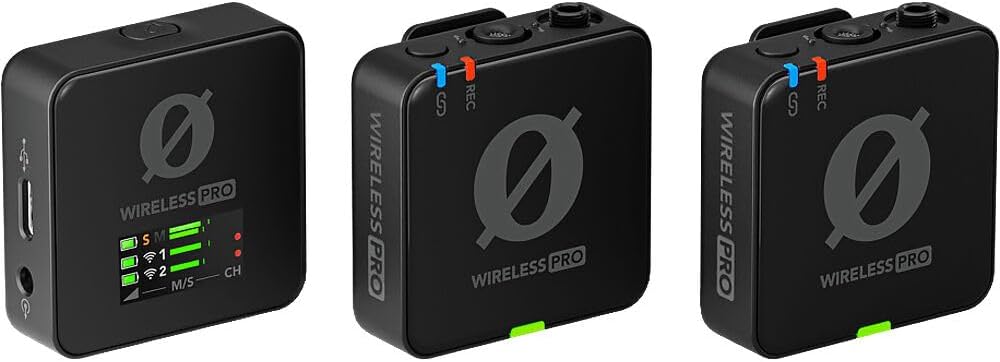
For a more discreet on-person setup, the Wireless PRO includes two separate Lavalier II microphones, so the transmitter does not have to be visible on a shirt. The linked Amazon listing is the kit bundle you can compare when shopping.
A lav can be mounted under clothing with skin-safe body tape and a suitable concealer. The important detail is keeping fabric from rubbing the capsule and securing the cable so it does not tug. Hidden does not automatically mean silent: have the person turn, walk, and move their arms while you listen to a test recording.
Unlike DJI’s direct pairing, RØDE uses its own receiver for the camera connection, or records on the transmitters for syncing afterward. Plan the USB audio connection and receiver placement before the shoot; do not expect it to pair directly to the Pocket 3 like a DJI Mic 3.
A simple bag: Domke F-5XB
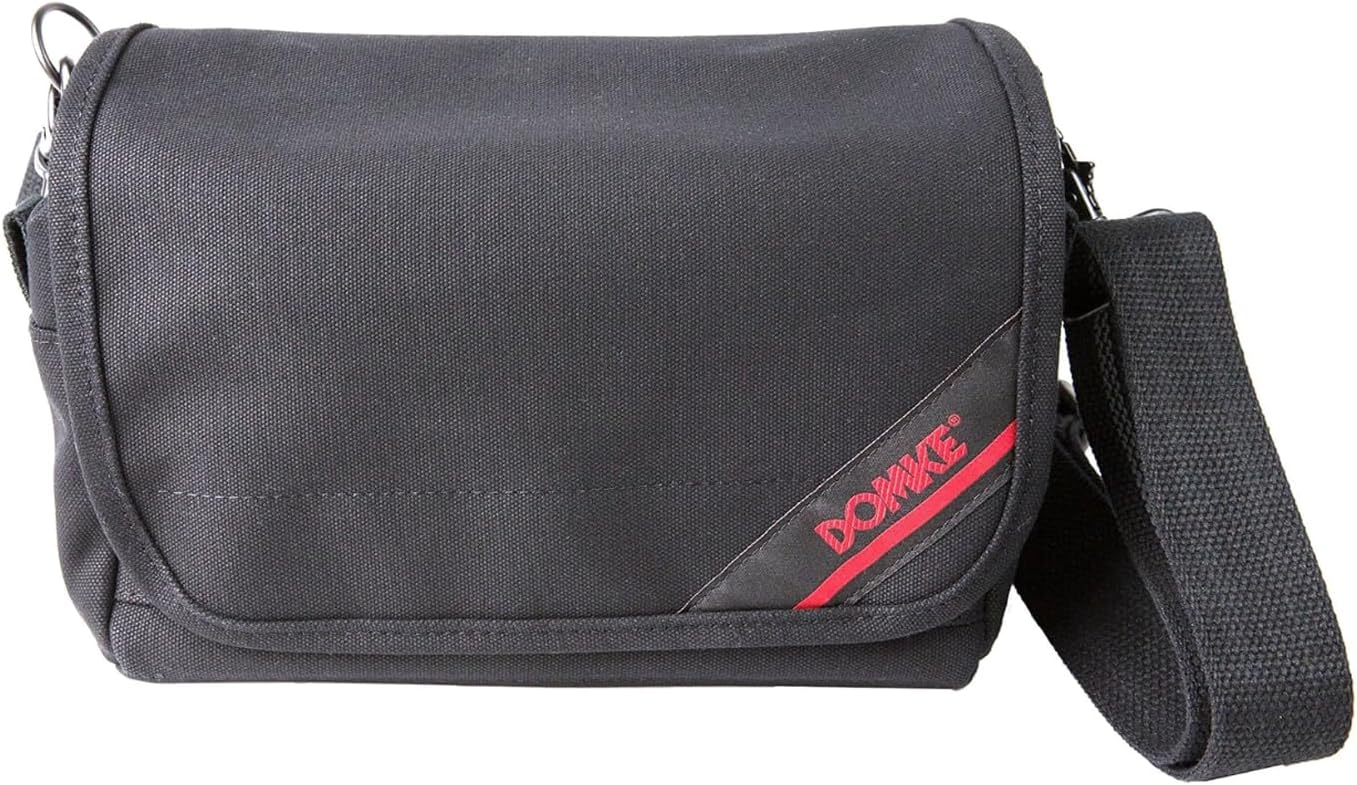
I like a bag that does not immediately read as expensive camera equipment. The black Domke F-5XB has a simple shoulder-bag shape and room for a small working setup. Carrying fewer things also means fewer reasons to stop, unzip everything, and rebuild the rig in the middle of a moment.
A few other ways to make this easier
Try the phone first. If it can deliver the final image or clip you need, you may already own your least intimidating camera. Keep it simple rather than rebuilding a full rig around it.
Choose one lens before you start. Decide what the assignment needs, set exposure and focus behavior, and check batteries and storage ahead of time. Less fiddling means more attention on people.
Let the setting do some of the work. A wider frame with a recognizable street or landmark can feel natural and give the interaction context. Keep gestures calm, give people space, and be ready to lower the camera when the moment calls for it.
The point is to be easy to work around. The most useful low-profile setup is the one that lets me do the job while the people in front of the camera still feel like themselves.